You Are Not Overreacting
Nov 1, 2026 · @Kevin Brough
Why I wrote a book for the people who notice first
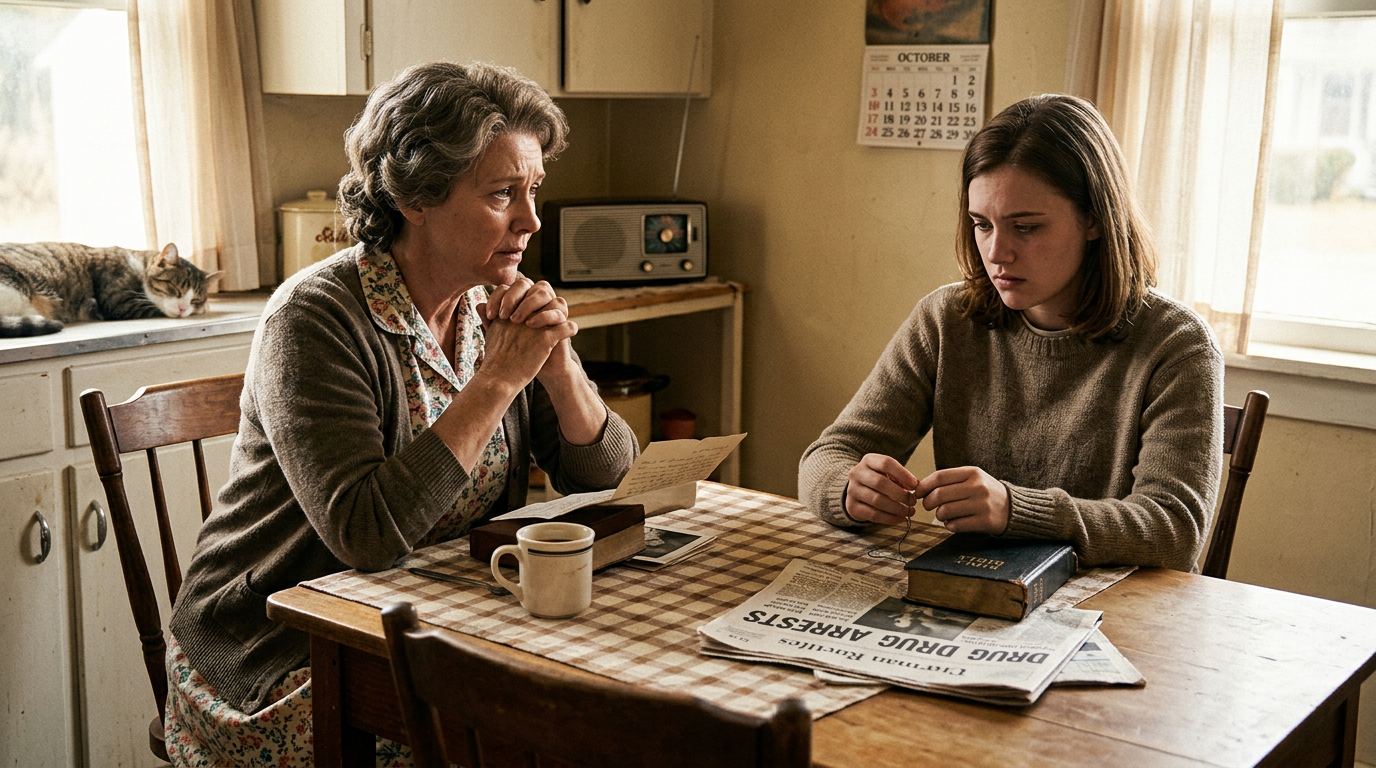
In twenty years of working in and directing treatment and detox programs, the most common question I heard was not from the person using. It came from the mother in the lobby, the husband on the phone at two in the morning, the sister told one too many times to calm down. The question was always the same, in some form: Am I overreacting?
Almost never. Families are usually the first to see it and the last to be believed, including by themselves. That is why my new book is called You Are Not Overreacting: Recognizing & Responding to Substance Use Disorders in Someone You Love. It went live this weekend in paperback, hardcover, and Kindle, and this post gives a short tour of what’s inside and why.
You have already noticed something
Money that keeps going missing. A new set of friends. Someone you have known your whole life lying to you about small things. If you are reading this, you have probably explained those things away more than once, and you have probably stopped believing your own explanations.
That gap between what you see and what you let yourself conclude is where families get stuck, sometimes for years. The book is written for the moment you stop explaining and start finding the right help.
This is a treatable disease, not a character flaw
Everything in the book rests on one conviction, and it is not mine alone. The American Society of Addiction Medicine defines addiction as a treatable, chronic medical disease involving interactions among brain circuits, genetics, environment, and life experience. The brain’s reward system has been hijacked, and the behaviors that break your heart — the lying, the broken promises, choosing the substance over you—are symptoms of that hijacking, not evidence that the person you love is gone.
I spend a chapter explaining what is happening in the brain in plain language you can repeat to a skeptical relative. Understanding it does not excuse the behavior. It does change what you do about it, because you stop treating a medical problem as a moral one.
Count the categories, not the signs
Most sign lists are long, frightening, and nearly useless because any one sign has a dozen innocent explanations. The book organizes warning signs into six categories: physical, behavioral, psychological, social, work or school, and financial. What matters is how many categories are lighting up at once. One category is a concern. Three or four is a pattern, and you can act on a pattern.
How to open the conversation without ending it
Most families either say nothing or say everything at once, and both end the same way. The book includes sample conversations, what to say, what not to say, and what to do when the person honestly doesn’t remember what happened. The goal of the first conversation is not confession. It is keeping the door open for the second one.
Four kinds of intervention, compared honestly
The intervention most people picture, the surprise meeting in the living room, is the most confrontational and has the weakest evidence behind it. The book compares four approaches by their level of confrontation and by what the research actually shows. The one with the strongest evidence, CRAFT, teaches families to change their own responses so that sobriety becomes more rewarding and use becomes less so, and it gets people into treatment at substantially higher rates than confrontation does. It also happens to be the one families can learn to do themselves.
Supporting is not enabling, and the line is not where you think
Families are told to stop enabling and then left to guess what that means. Enabling is removing the natural consequences of use. Supporting is staying connected while the consequences stay in place. You can refuse to pay the bail and still answer the phone. Holding a boundary and punishing someone are different things, and the book spends real time on how to do the first without it landing as the second.
A slip is not a relapse, and the first hour matters
Recovery is rarely a straight line. How a family responds in the hour after a slip often determines whether it becomes a return to full use. The book walks through what to do in that moment, and it is frank about harm reduction, including naloxone in the house, because the first job is keeping someone alive long enough to get well.
The chapter most books leave out
Near the end are nineteen real stories, names and details changed. Ten people who made it. Nine who did not. The losses are there because a book that tells only success stories cannot be trusted about the successes. Families in the middle of this can tell when they are being handled. What helps is someone willing to tell the truth, including the hard part, and then explain why hope is still the rational position.
Underneath the substance
The later chapters go beneath the using to what so often drives it: trauma, attachment injuries, guilt and shame, grief, and the family roles nobody chooses but everybody takes. There is a chapter on couples, because a marriage is part of recovery, not a distraction from it, and chapters on adolescents, older adults, chronic pain, co-occurring mental health conditions, and the legal questions families face. The appendices include family worksheets, a sample family agreement, substance profiles, a glossary, and the most common questions families ask.
Who it is for
Parents, partners, siblings, adult children, and friends. Clergy, teachers, and employers who want to understand what they are seeing. And anyone struggling with substance use themselves who wants straight answers about what works.
If you know someone carrying this quietly, send it to them. That’s why it exists.
You Are Not Overreacting is available now on Amazon in paperback, hardcover, and Kindle: Paperback:
https://link.amazon/B0fpzH6nN or on Kindle: https://www.amazon.com/dp/B0HLGKJHHR
Free companion tools, worksheets, and the family agreement are at SUDGuide.com.
Kevin Todd Brough, M.A., AMFT, C.Ad., CCHt, is an associate marriage and family therapist at Ascend Counseling & Wellness in St. George, Utah. He spent nearly two decades directing residential treatment and detox programs and writes from both professional and personal experience. His next book, LifeScaping: A New Mindset for Self-Transformation, releases in November.

