Addiction – It’s an emotional disease, fueled by shame.
Reply
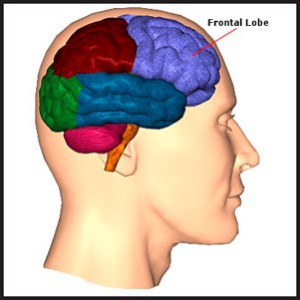
1. Behavioral Activation System (BAS): The accelerator (“hit the gas”)
– Impulsivity, novelty seeking, sensitivity to rewards and motivation to seek rewards.
–Attraction to a person or a cookie and a desire to approach the person or cookie, especially a “new” one?
BAS = Left Frontal Lobe:
2. Behavioral Inhibition System (BIS): “Hitting the brakes”. Sensitivity to potential punishment and motivation to avoid punishment.
–Fear of rejection by someone you fancy or fear of a snake and the motivation to avoid these things comes from this system.
-Avoidance of people, places, and situations that have the perception of…
View original post 78 more words

 Exciting news! We’ve just launched a brand new blog especially for the wives of those struggling with pornography, affairs and other sexual compulsions!
If you’re the wife or girlfriend of someone who struggles with sexual sin, it’s so hard to know who to talk to or how much you should say. It’s hard to separate the truth from the lies. It’s hard to have hope for the future when everything you thought you could count on is crumbling before your eyes. It doesn’t matter whether you only recently found out about your partner’s struggle, or if you’ve been dealing with his behaviors for decades, loving someone battling with sexual compulsions is definitely a rough and lonely road.
This new blog, The Sisterhood of the Lonely Road, is a safe place for you to come, to read, to learn and to connect with…
View original post 264 more words
“Addiction is a primary, chronic disease of brain reward, motivation, memory and related circuitry. Dysfunction in these circuits leads to characteristic biological, psychological, social and spiritual manifestations. This is reflected in an individual pathologically pursuing reward and/or relief by substance use and other behaviors.
Addiction is characterized by inability to consistently abstain, impairment in behavioral control, craving, diminished recognition of significant problems with one’s behaviors and interpersonal relationships, and a dysfunctional emotional response. Like other chronic diseases, addiction often involves cycles of relapse and remission. Without treatment or engagement in recovery activities, addiction is progressive and can result in disability or premature death.”
Latest Definition of Addiction by the American Society of Addiction Medicine (ASAM)
Cognitive biases directly affect the way we perceive and process sensory and memory data. Several types of cognitive biases effect how we perceive, think, and feel (Mathews & Mackintosh, 2000).
The specific types of cognitive biases are:
More emotional individuals may have vulnerabilities to cognitive biases that contribute to more negative processing of the sensory data available and this contributes…
View original post 379 more words

So we live in our old van
Travel all across this land
View original post 143 more words
 “If you want to treat an illness that has no easy cure, first of all, treat them with hope.”—George Vaillant
View original post 490 more words
The Introvert's Roadmap to Self Discovery and Growth
Holistic Health & Wellness
True wealth is the wealth of the soul
Ignite your Human Essence
All about reaching the best potential and bringing it forth!
Maximize Your Happiness, Well-Being, & Life Satisfaction
Discover top natural supplements to boost wellness and health with high-quality options for men and women seeking natural solutions to improve their well-being.
Natural Remedies
Mental Health & Wellness
Open Your Mind
Growing Our Minds Beyond The Stigma
A journey into Cade's world
Witness What Happens When A Ghalib Loving Psychologist Who Doubles As A Hindi Kaviyatri And Raconteur Sits Down Over A Cup Of Coffee And Coelho By Her Side To Converse About Art, Love, Faith, Philosophy And The Journey Called Life! You're Invited!
**Cats Showcase of Authors & Books She Has Read and Reviewed of Her Favorite Writers**
Life Advice from Brilliant Minds
Blogging The Language of the Heart






 Craving Recovery